

• Donate
  • Get Updates
  • About Good for All News
  • The Jane Goodall Institute
  • Roots & Shoots
  • Shop
  • WIKI
  • Facebook
  • Twitter
  • Instagram
Close Menu
  • Jane Says
  • Seriously Good For All
  • Primates
  • Conservation
  • Science & Technology
  • Youth Power
  • Hopecast
  • All
Facebook X (Twitter) Instagram
Jane Goodall's Good for All News
  • Jane Says
  • Seriously Good For All
  • Primates
  • Conservation
  • Science & Technology
  • Youth Power
  • Hopecast
  • All
Jane Goodall's Good for All News
Brought to you by: Jane Goodall Institute
You are at:Home»Conservation»Why You Should Recycle Your Cell Phone

Why You Should Recycle Your Cell Phone

0
By Pamela Huber on January 14, 2016 Conservation, Seriously Good For All

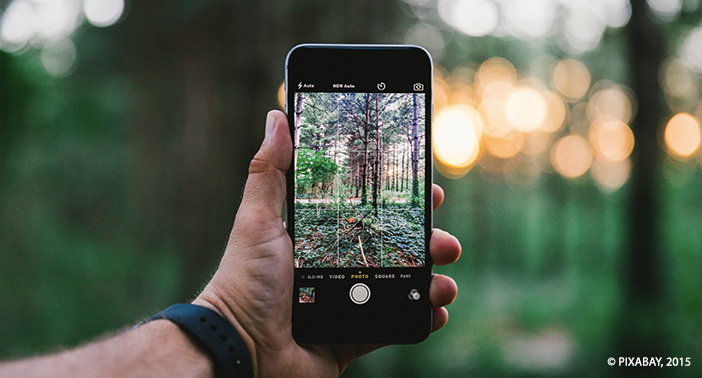
Most smartphones today would not exist without natural resources extracted from endangered habitats such as those of the Congo Basin. That is because the metals and minerals that make them work are very rare and can be found primarily in this region – an area with one of the largest intact populations of wild chimpanzees. In an effort to control the wealth brought in from these minerals, over five million people have died. In order to protect the Congo Basin’s people and its chimpanzees, we as consumers must understand the source of our cell phone’s conflict minerals and how we can take action, such as recycling our old cell phones, to end the cycle of destruction and violence.

Most cell phones and other electronic devices are made using four crucial materials extracted from mines in the Congo Basin: gold, tin, tungsten and tantalum (or coltan). While some companies strive to source their materials ethically, corruption and conflict muddle the process. In order to extract these minerals, miners cut down forests, destroying chimpanzee habitat and creating inroads for illegal miners, loggers and poachers, further threatening chimpanzee survival.

Though the mining process provides livelihoods for people, it is not a sustainable way to make a living, innocent civilians and wildlife alike are hurt in the process. Current U.S. legislation requires companies to trace and audit their supply lines in order to prevent their funding of these atrocities in eastern Congo. But so long as there is a demand for our increasingly disposable gadgets, people will continue to be motivated to fight for control over the precious natural resources that make them possible.

Individuals can take action to stand up for the people and wildlife at risk in the Congo Basin. When each new electronic purchase replaces an old device, and that device gets thrown away, all of the valuable materials in them go to waste. Your old, broken cell phone can be recycled though, and the gold, tin, tungsten and tantalum in it can be reused in future devices. Recycling means that even as demand for electronics increases, demand for conflict minerals does not have to rise.

To learn more about how you can recycle your old electronics read about Call to Action: JGI’s International Mobile Phone Recycling Day coming up on January 26, 2016. We hope you are inspired to take action.

Share this:

  • Tweet
  • Share on Tumblr
cell phone congo basin Conservation Science Great Apes Public Awareness & Environmental Education recycling Syndicated
Previous ArticleMLK Day of Service – 4 Things You Can Do Right Now to Prep
Next Article A New Year: A New Outlook for Abandoned Chimpanzees in Liberia
Pamela Huber

Pamela Huber is an intern for the Jane Goodall Institute working primarily in the organization's communications department. As a journalist, she has written on the environment and human rights before writing for Good For All News. She is interested in community-centered conservation, technology, ape research and rehabilitation, preserving biodiversity and youth education.

Related Posts

The World Mourns Dr. Jane Goodall

Dr. Jane’s Passing: How to Support Children and Young People During Their Grief Process

Dr. Jane Goodall, Renowned Ethologist, Conservationist, and Animal Behavior Expert Passes Away at Age 91

Jane Goodall Hopecast
SEARCH
GET INVOLVED

You can be the change!
Get connected with us and stay informed so you can be a part of what we do!

Please leave this field empty

  • About
  • Comment Policy
  • Contact
  • RSS Feeds
  • Privacy
  • Terms
Top Posts
October 23, 2025

The World Mourns Dr. Jane Goodall

October 2, 2025

Dr. Jane’s Passing: How to Support Children and Young People During Their Grief Process

October 1, 2025

Dr. Jane Goodall, Renowned Ethologist, Conservationist, and Animal Behavior Expert Passes Away at Age 91

September 22, 2025

World Rhino Day 2025

July 11, 2025

Voices of Gombe: What Comes Next? 

    Good for All News

    • About
    • Comment Policy
    • Contact
    • RSS Feeds
    • Privacy
    • Terms
    Twitter
    Tweets by JaneGoodallInst
    Instagram Photos
    This error message is only visible to WordPress admins

    Error: No feed found.

    Please go to the Instagram Feed settings page to create a feed.

    Copyright © 2020 Jane Goodall Institute USA.

We use cookies on our website to give you the most relevant experience by remembering your preferences and repeat visits. By clicking “Accept”, you consent to the use of ALL the cookies.
Cookie settingsACCEPT
Manage consent

Privacy Overview

This website uses cookies to improve your experience while you navigate through the website. Out of these, the cookies that are categorized as necessary are stored on your browser as they are essential for the working of basic functionalities of the website. We also use third-party cookies that help us analyze and understand how you use this website. These cookies will be stored in your browser only with your consent. You also have the option to opt-out of these cookies. But opting out of some of these cookies may affect your browsing experience.
Necessary
Always Enabled
Necessary cookies are absolutely essential for the website to function properly. These cookies ensure basic functionalities and security features of the website, anonymously.
CookieDurationDescription
cookielawinfo-checbox-analytics11 monthsThis cookie is set by GDPR Cookie Consent plugin. The cookie is used to store the user consent for the cookies in the category "Analytics".
cookielawinfo-checbox-functional11 monthsThe cookie is set by GDPR cookie consent to record the user consent for the cookies in the category "Functional".
cookielawinfo-checbox-others11 monthsThis cookie is set by GDPR Cookie Consent plugin. The cookie is used to store the user consent for the cookies in the category "Other.
cookielawinfo-checkbox-necessary11 monthsThis cookie is set by GDPR Cookie Consent plugin. The cookies is used to store the user consent for the cookies in the category "Necessary".
cookielawinfo-checkbox-performance11 monthsThis cookie is set by GDPR Cookie Consent plugin. The cookie is used to store the user consent for the cookies in the category "Performance".
viewed_cookie_policy11 monthsThe cookie is set by the GDPR Cookie Consent plugin and is used to store whether or not user has consented to the use of cookies. It does not store any personal data.
Functional
Functional cookies help to perform certain functionalities like sharing the content of the website on social media platforms, collect feedbacks, and other third-party features.
Performance
Performance cookies are used to understand and analyze the key performance indexes of the website which helps in delivering a better user experience for the visitors.
Analytics
Analytical cookies are used to understand how visitors interact with the website. These cookies help provide information on metrics the number of visitors, bounce rate, traffic source, etc.
Advertisement
Advertisement cookies are used to provide visitors with relevant ads and marketing campaigns. These cookies track visitors across websites and collect information to provide customized ads.
Others
Other uncategorized cookies are those that are being analyzed and have not been classified into a category as yet.
SAVE & ACCEPT